
Glass to glass corner windows create a stunning architectural statement by eliminating the visual structural obstruction at the corner of a room. By removing the vertical support post, a mitered glass window wraps seamlessly around the corner of your home, expanding outdoor views, increasing natural light, and enhancing the overall feel and value of your space.
Often seen in high end new construction and mid century modern homes, these windows require structural support to be designed into the building from the beginning. Adding a glass to glass corner window to an existing home typically requires renovation, structural modifications, and higher costs.
How Much Do Glass to Glass Corner Windows Cost in 2026?
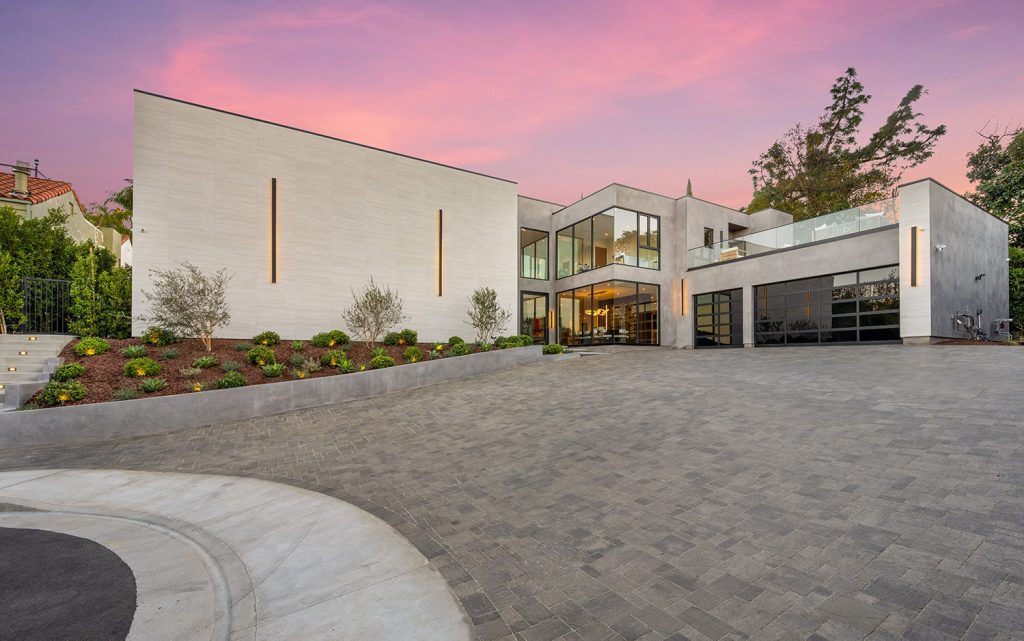
Glass to glass corner windows, sometimes called frameless corner windows, are premium architectural features. Because they lack a vertical support post at the corner, they require specialized structural engineering, reinforced framing, and high performance glass.
In 2026, you can expect to pay between $1,500 and $5,000 per window unit for a residential installation, or roughly $110 to $180 per square foot for the system itself. However, that figure reflects only the glass and basic installation. It does not include the structural modifications that are often required.
When a structural post is removed from a corner, the building load must be redistributed. This is typically accomplished through a cantilevered beam or steel moment frame that carries the weight of the roof or upper floor back into the structure. Installing that beam can require opening walls or ceilings, reinforcing load paths, securing permits, and obtaining stamped engineering plans. Depending on the size and complexity of the retrofit, structural costs alone can range from $8,000 to $25,000 or more.
What Is Involved in Building a Seamless Glass Corner?
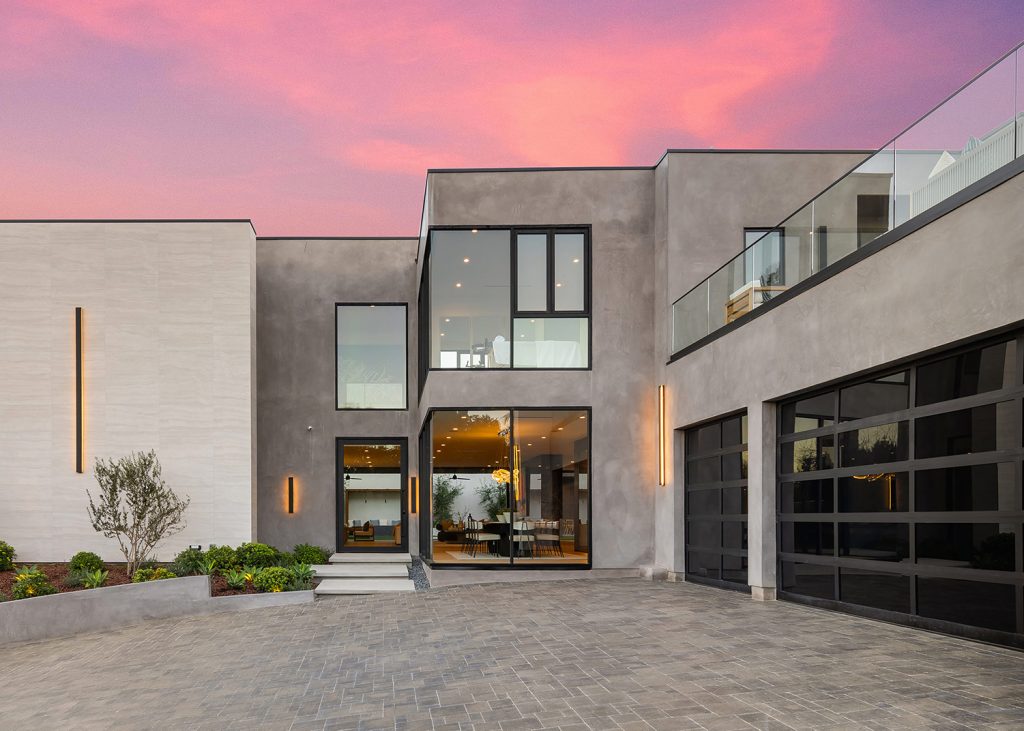
To build a postless mitered corner window, the corner of the structure must be engineered to become non load bearing. A cantilevered beam or lintel replaces the traditional header and supports the weight that would normally be carried by a vertical post.
In most designs, one third of the beam spans the opening while the remaining portion extends back into the wall and is supported by structural framing. This allows the glass corner itself to remain non load bearing while the building remains structurally sound.
The two pieces of glass are typically mitered at 45 degrees to meet at a 90 degree angle. Structural glazing silicone is used to bond the glass, and the panels are clamped to create a weatherproof seal. The glass is often double or triple pane and tempered to meet energy and safety codes.
Because of the engineering, specialty fabrication, and structural reinforcement required, the cost to create a seamless glass corner is significantly higher than installing a standard window..
Why Corner Windows Cost More Than Standard Windows
Standard windows are mass produced and designed to fit within walls that already contain vertical support framing. Installation typically requires only a standard header above the opening.
Glass to glass corner windows are custom fabricated and require engineered structural support to remove the load bearing corner. In addition to the premium glass, the framing, labor, and structural modifications increase the overall cost. Lead times are longer, installation is more complex, and the process often involves multiple trades.
While standard windows may range from $500 to $2,500 per unit depending on size, a corner window system is often more than double that before structural work is considered.
Here is a breakdown comparing standard VS glass-to-glass corner windows:
| Category | Standard Window (Fixed/Picture) | Glass-to-Glass Corner Window | Why the Difference? |
| Unit Price (Per Unit) | $300 – $1,200 | $1,500 – $5,000 | Corner units are custom-engineered and use specialized structural silicone. |
| Installation Labor | $150 – $400 | $800 – $2,500 | Requires precision alignment and often 3+ installers due to weight and fragility. |
| Structural Support | $200 – $800 (Lintel) | $1,500 – $4,500+ (Steel/Cantilever) | A standard window uses a simple header; a corner window requires a cantilevered beam. |
| Glass Type | Standard Double-Pane | High-Performance Tempered | Corner glass must be tempered for safety and structural rigidity. |
| Energy Efficiency | High (u-value ~0.25-0.30) | Moderate to High | The silicone joint is a potential thermal weak point compared to a solid frame. |
| Lead Time | 2 – 4 weeks | 8 – 12 weeks | These are almost always custom-fabricated to specific architectural plans. |
Achieve the Look Without Major Structural Renovation
There is no denying that glass to glass corner windows add light, views, and architectural impact. However, the traditional method requires extensive structural engineering and cantilevered beam installation.
TonyView is a patented load bearing structural corner window system that eliminates the need for expensive cantilever beams and major reframing. Unlike traditional mitered glass systems that require weeks of structural work, TonyView integrates into existing framing and can be installed in under two hours.
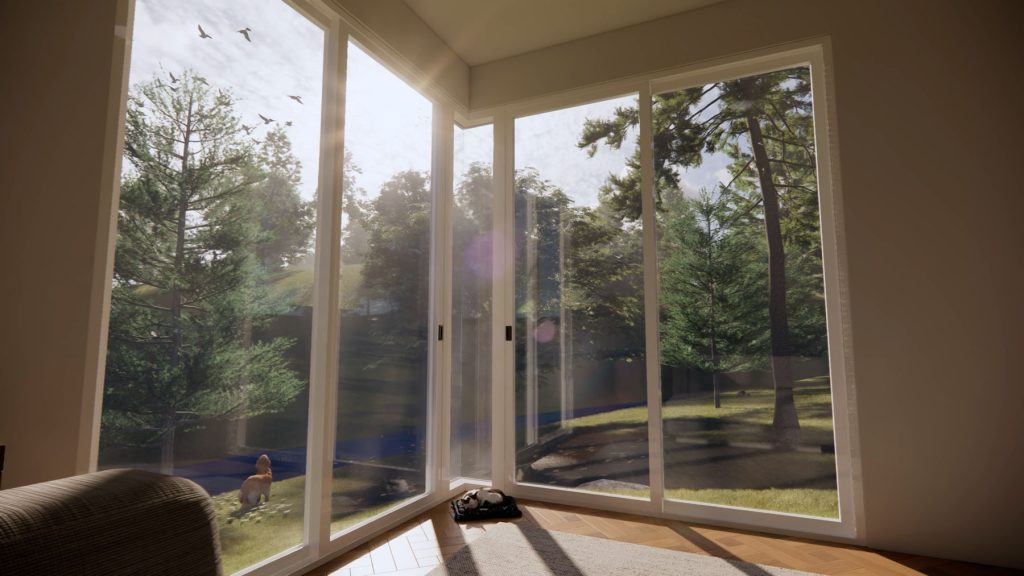
Available in 6 foot 8 inch and 8 foot configurations, TonyView is engineered for structural capacity and installed by experienced professionals. It delivers the same seamless corner appearance while dramatically reducing renovation time and structural complexity.
Let us show you how you can expand your views, increase natural light, and open up your space without the high costs and major structural changes traditionally required.